Mechanical & Manual Vegetation Treatments
Practical Vegetation Management for Safer, Healthier Landscapes
Timber & Ember Co. provides mechanical and manual fuel treatments designed to reduce wildfire risk, improve land health, and prepare properties for long-term stewardship.
These services focus on strategic vegetation management—not just removal, but thoughtful treatment that supports safety, access, and ecological balance..
What Are Fuel Treatments?
Fuel treatments reduce the amount, continuity, and arrangement of vegetation that can contribute to wildfire intensity.
They are used to:
•Lower wildfire risk
•Improve defensible space
•Restore forest structure
•Support habitat objectives
Prepare land for future management (including prescribed fire)
Mechanical Fuel Treatments
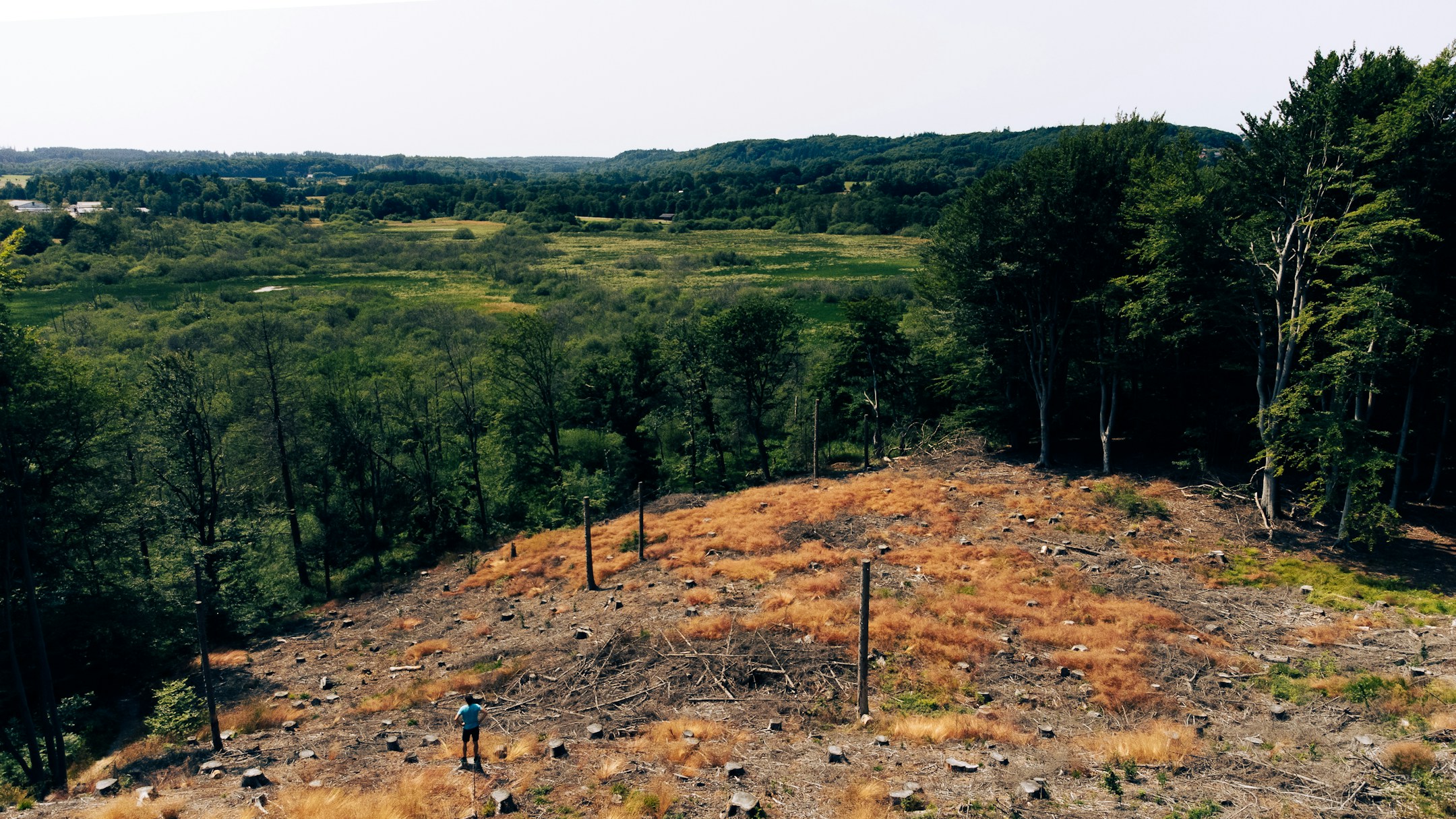
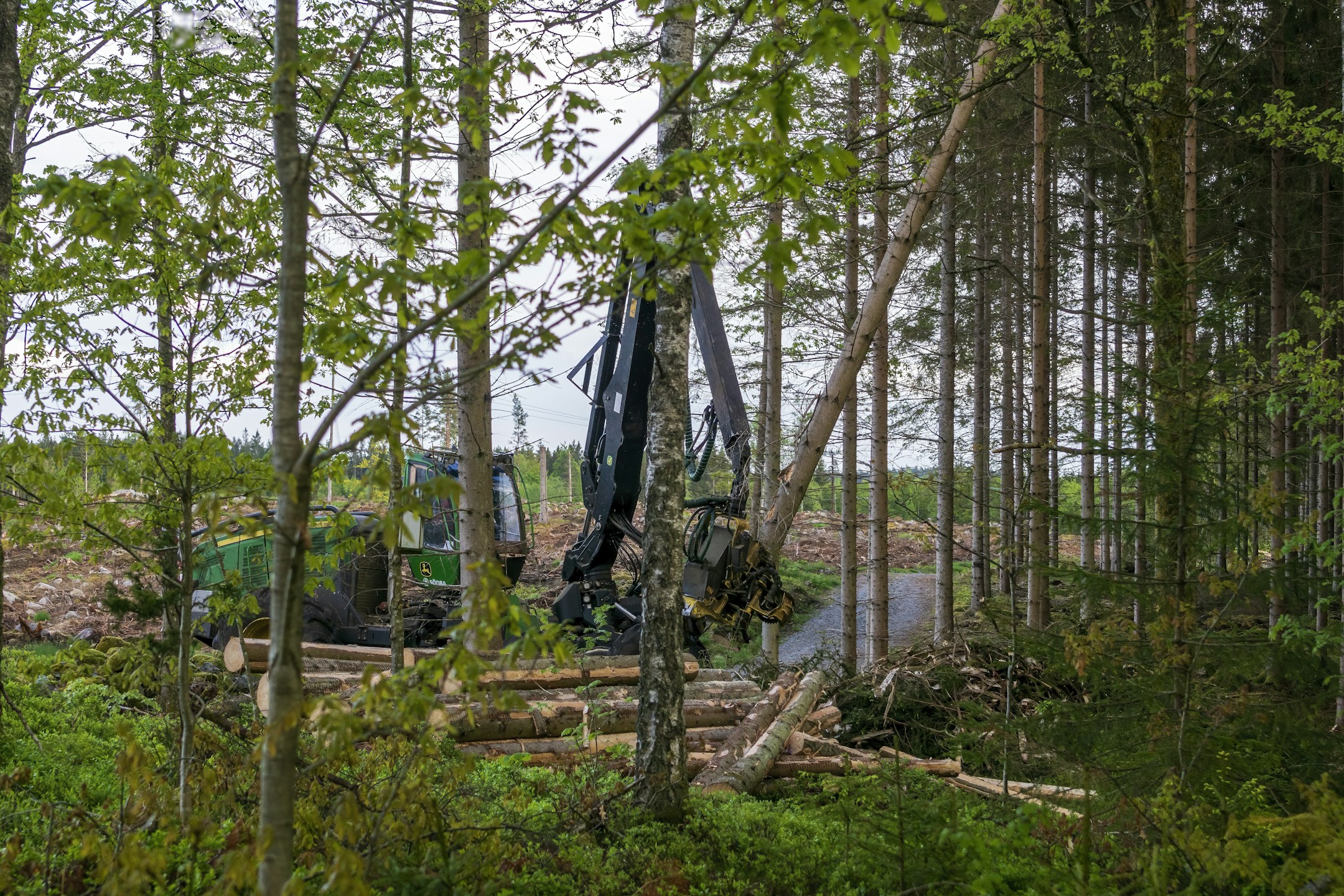
Mechanical treatments use equipment to efficiently manage vegetation across larger areas or challenging terrain.
-Common Mechanical Applications-
•Mastication and mulching
•Brush reduction
•Small-diameter tree thinning
•Access and fuel break creation
-When Mechanical Treatments Are Best-
•Larger acreage projects
•Dense brush or regeneration
•Areas requiring rapid treatment
•Locations with equipment access
Manual Fuel Treatments
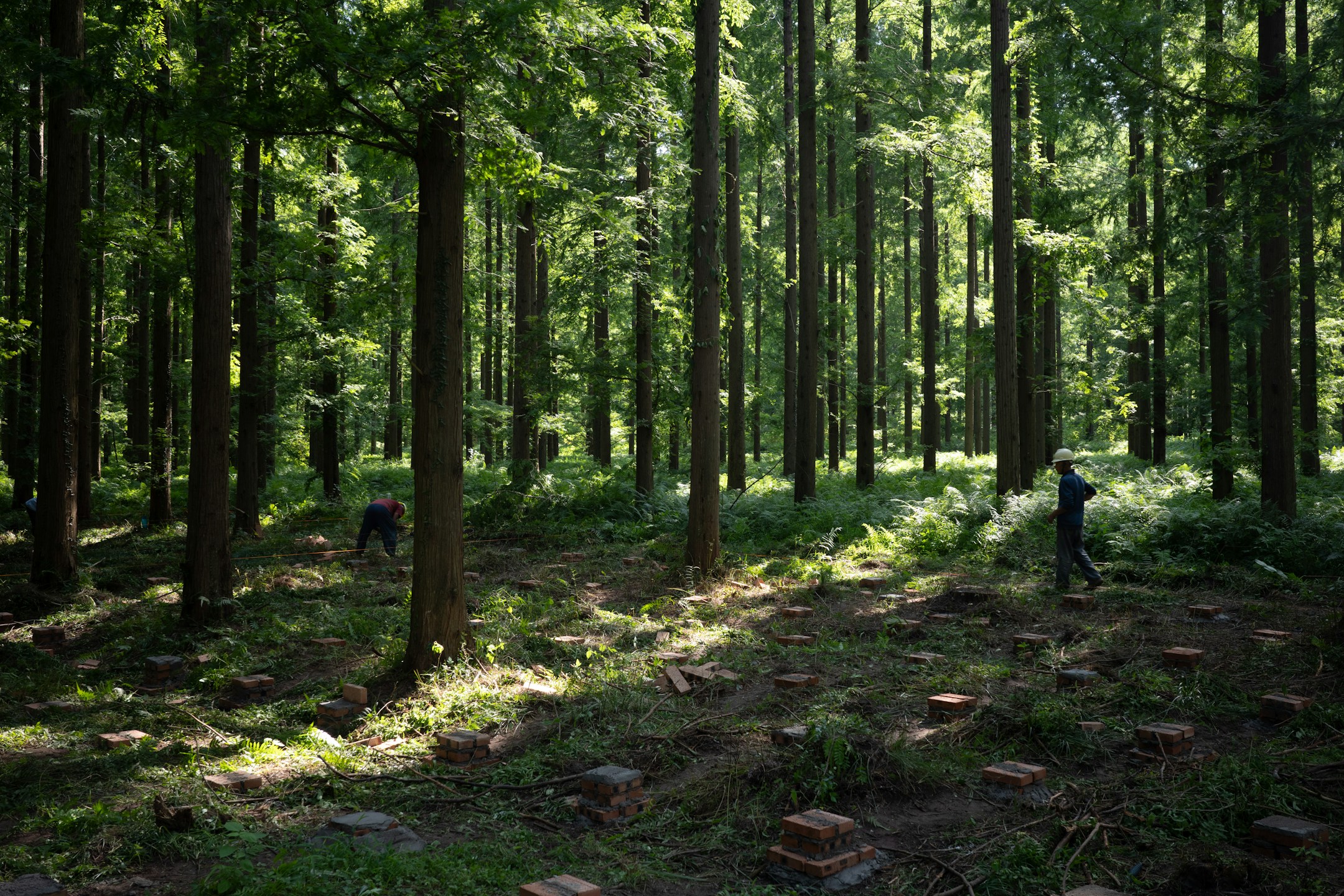
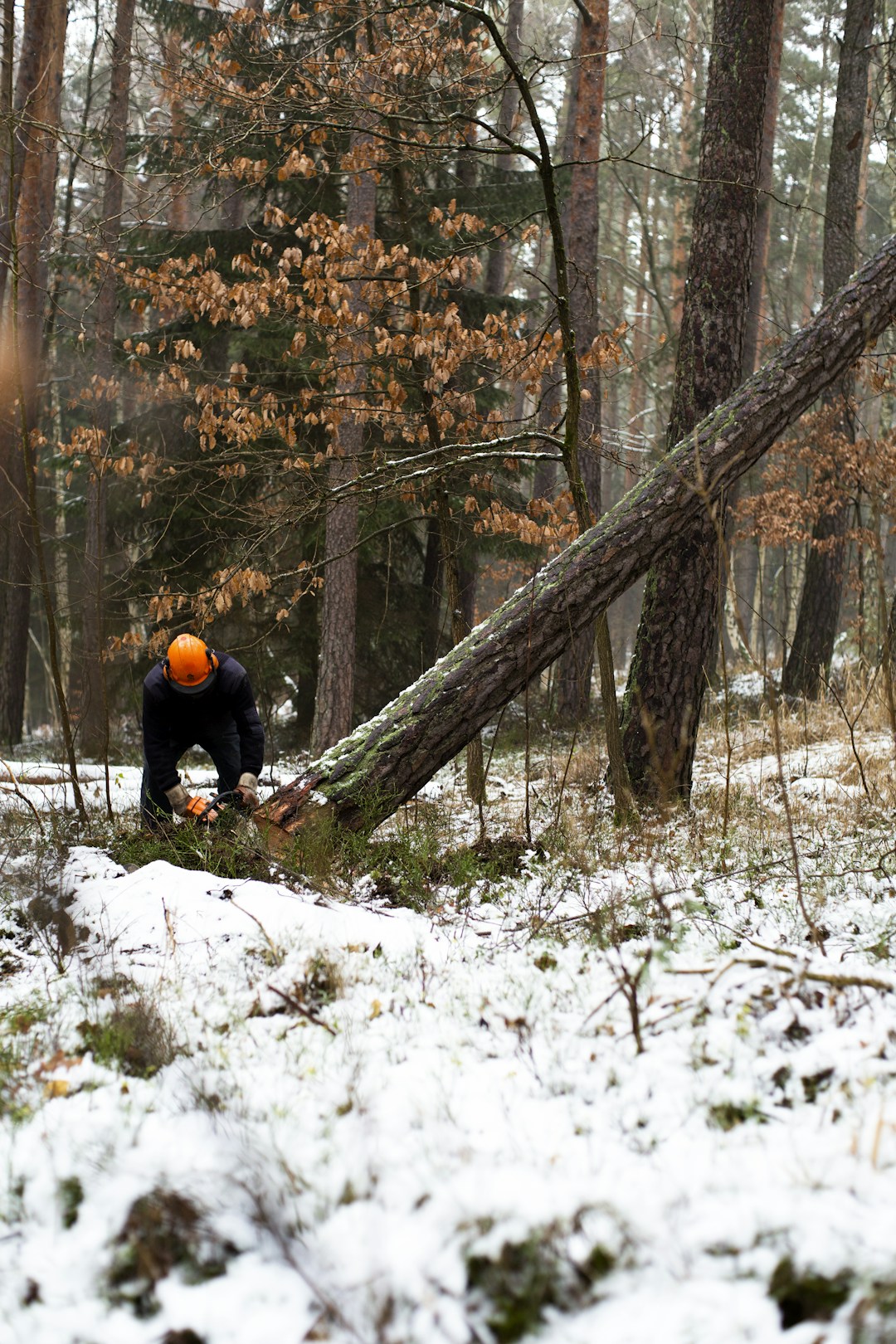
Manual treatments rely on skilled crews using hand tools and saws to perform precise, selective work.
-Common Manual Applications-
•Selective thinning
•Ladder fuel removal
•Defensible space work
•Sensitive or steep terrain
•Fine-scale habitat improvements
-When Manual Treatments Are Best-
•Around homes and structures
•In environmentally sensitive areas
•Where precision matters more than speed
•Projects requiring minimal disturbance
Why Treatment Design Matters
Not all vegetation reduction produces the same result. Poorly planned treatments can:
•Increase erosion
•Damage desirable trees
•Create maintenance issues
•Reduce habitat value
Our approach focuses on purpose-driven treatments, ensuring each action supports the landowner’s goals and long-term outcomes.
Integrated Planning Approach
Fuel treatments are often combined with:
•Timber and habitat management plans
•Community or HOA firewise projects
•Prescribed fire preparation
•Long-term vegetation maintenance strategies
This ensures work completed today does not create problems tomorrow.
Who This Service Is For
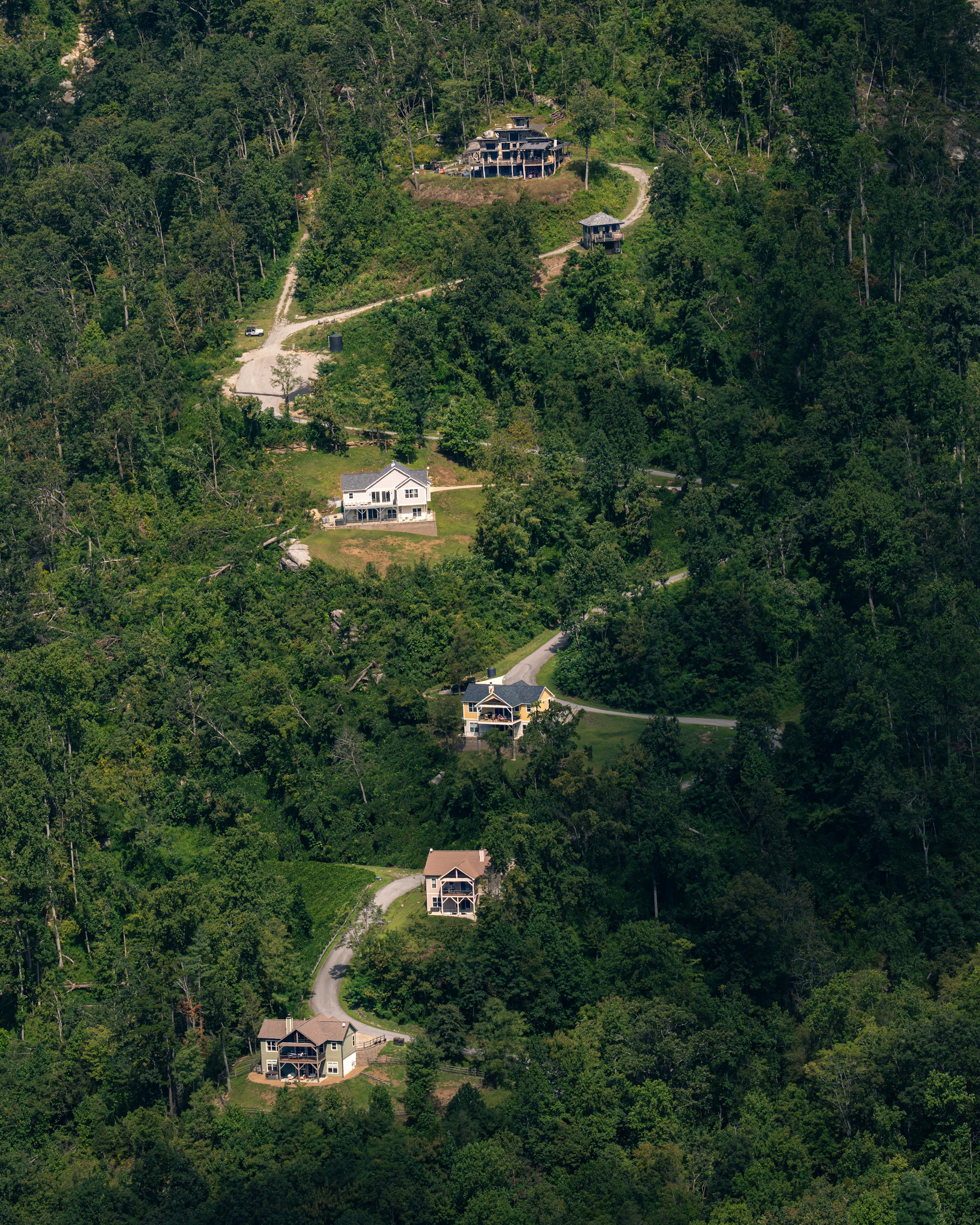
•Homeowners in the wildland-urban interface (WUI)
•HOAs and community associations
•Timber and ranch properties
•Conservation and stewardship lands
•Clients seeking proactive wildfire mitigation
What Clients Can Expect
•Site-specific treatment recommendations
•Clear explanation of methods and scope
•Safe, professional field operations
•Coordination with other land management goals
•Documentation suitable for planning or reporting
Building Resilience From the Ground Up
Thoughtful fuel treatments protect lives, property, and landscapes—while supporting healthier forests and working lands.
Talk With a Land Management Specialist